Keeping cats healthy
The everyday habits, check-ups and warning signs every cat owner should know.
Puppies
Vaccinations are one of the most important things you will do for your new puppy. Here is how they work, when they happen and how to keep your puppy safe while the course is under way.
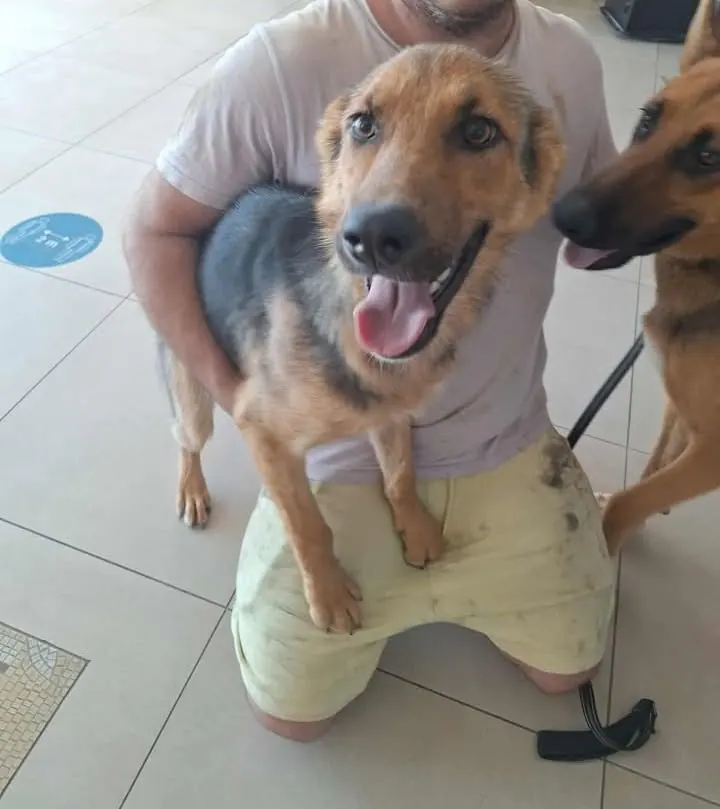
Puppies are born with some protection passed on from their mother. That protection fades over the first weeks of life, and while it fades it can also stop a vaccine from working properly. That is why puppies receive a short course of injections a few weeks apart rather than a single one: each dose gives the immune system another chance to respond as the mother's antibodies disappear.
The diseases we vaccinate against are serious. Parvovirus and distemper spread easily between dogs, can survive in the environment, and are often fatal in young puppies. They are still seen in Cyprus, which is why we take puppy vaccination seriously.
We will recommend the right combination for your puppy based on its lifestyle, so you are not paying for protection it does not need.
If your puppy came from a shelter or another country, bring any vaccination booklet or pet passport you have. We will check what has already been given and plan the rest from there.
Until about two weeks after the final puppy vaccine, keep your puppy away from places where unknown dogs walk, such as parks, pavements and beaches. Parvovirus can survive on the ground for months.
This does not mean keeping your puppy shut away. The first months are the most important time for socialisation, so:
Some puppies are a little quiet or have a sore spot where the injection was given for a day or two. This is normal and passes on its own.
Call us straight away on +357 99 427605 if your puppy has swelling of the face, repeated vomiting, difficulty breathing or collapses after a vaccination. These reactions are rare, but they need prompt treatment.
This article is general guidance for pet owners. Every pet is different, so ask us about your own pet before changing its care.
The everyday habits, check-ups and warning signs every cat owner should know.
Fleas, ticks and worms in Cyprus: what to look for and how to stay ahead all year.
How to keep older dogs and cats comfortable, mobile and happy in their later years.
Call or send us a WhatsApp message and we'll be happy to help.