
Puppy vaccination guide
When to start, which vaccines matter and how to keep your puppy safe until the course is complete.
Prevention
In a warm Mediterranean climate, parasites never really take a break. Regular prevention is far easier, cheaper and kinder than treating the problems they cause.
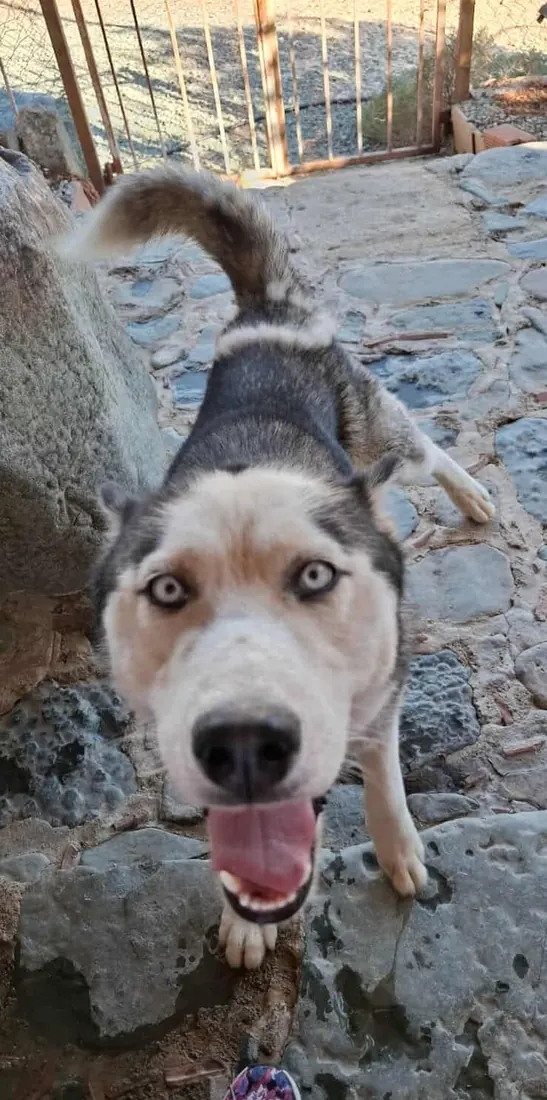
Fleas and ticks thrive in warm weather, and our mild winters mean they stay active for most of the year. Some parasites also carry diseases that can make pets seriously ill, so prevention is about more than itching.
Look for scratching, nibbling at the skin, especially near the tail, and tiny black specks in the coat. If you place those specks on damp white paper and they turn reddish-brown, that is flea dirt.
Ticks wait in long grass and scrub and attach to dogs, and sometimes cats, as they pass. They can transmit diseases such as ehrlichiosis and babesiosis, which affect the blood and can be serious.
Leishmaniasis is a serious disease of dogs spread by the bite of tiny sandflies, and it is found in Cyprus and across the Mediterranean. Signs can take months or years to appear and include weight loss, skin problems, hair loss around the eyes and long nails.
Roundworms, hookworms and tapeworms are common, and some can pass to people, particularly children. Adult pets usually need worming at least every three months, and young or high-risk pets more often. Puppies and kittens are wormed every two weeks until 12 weeks of age, then monthly until six months.
Heartworm is spread by mosquitoes and lives in the heart and blood vessels of the lungs. It is found around the Mediterranean, and a monthly preventive during the mosquito season protects your dog far more easily than treating an established infection.
Choosing a product: parasite products differ in what they cover, how long they last and which animals they are safe for. Bring your pet's weight and lifestyle to your next visit and we will put together a simple year-round plan.
Important: never use a dog flea or tick product on a cat. Many contain permethrin, which is highly toxic to cats.
This article is general guidance for pet owners. Every pet is different, so ask us about your own pet before changing its care.
When to start, which vaccines matter and how to keep your puppy safe until the course is complete.
The everyday habits, check-ups and warning signs every cat owner should know.
How to keep older dogs and cats comfortable, mobile and happy in their later years.
Call or send us a WhatsApp message and we'll be happy to help.