Puppy vaccination guide
When to start, which vaccines matter and how to keep your puppy safe until the course is complete.
Cats
Cats are experts at hiding illness. By the time a cat looks unwell, a problem has often been building for a while. A few simple habits help you notice changes early and keep your cat healthy for longer.
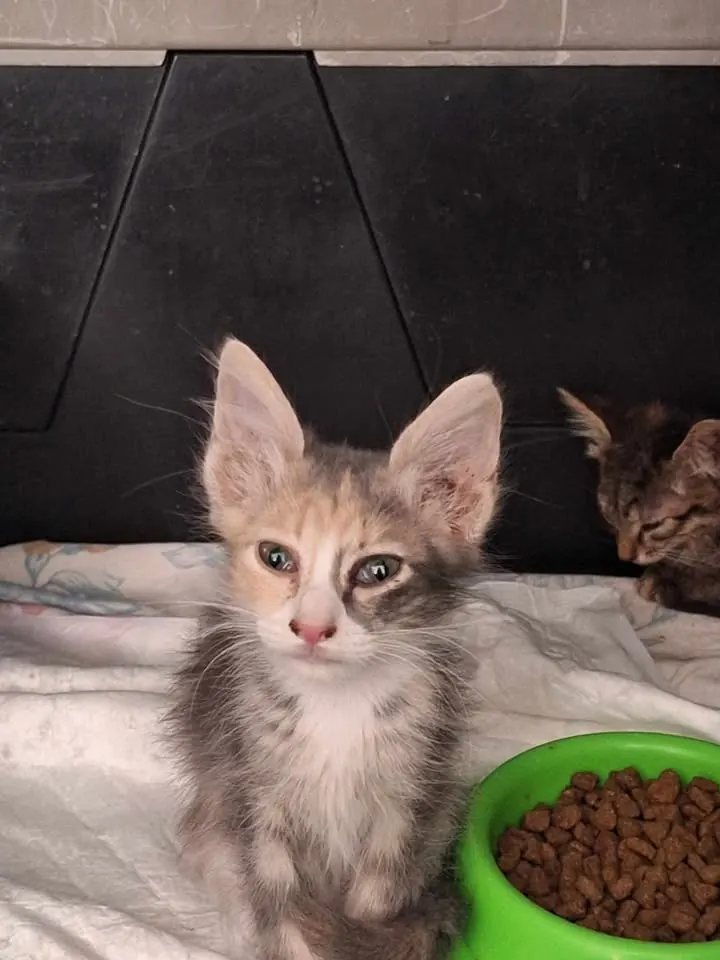
A once-a-year health check lets us weigh your cat, examine the teeth, heart, eyes, coat and joints, and catch problems such as dental disease, weight change or kidney trouble before they cause pain. From around the age of eight, a check-up every six months, often with a blood and urine test, is a good idea.
If your cat dislikes the carrier, leave it out at home with a soft blanket inside so it becomes a familiar resting place rather than a sign of a trip to the vet.
All cats should be protected against feline panleukopenia (feline parvovirus) and the two main cat flu viruses, herpesvirus and calicivirus. Cats that go outdoors or live with other cats may also benefit from protection against feline leukaemia virus (FeLV). Indoor cats still need their core vaccines, because these viruses can be carried into the home on shoes and clothes.
Cyprus has a very large population of free-roaming cats. Neutering prevents unwanted litters and also reduces roaming, fighting, spraying and the spread of infections passed on through bites. Most cats can be neutered from around four to six months of age.
Our warm climate means fleas, ticks and worms are active almost all year. Use a product made for cats, given regularly, and treat every pet in the home at the same time.
Never use a dog flea product on a cat. Many dog treatments contain permethrin, which is highly toxic to cats and can cause tremors and seizures.
Have one litter tray per cat plus one extra, in quiet places. Watch for changes: going more often, passing only small amounts, urinating outside the tray or straining.
Emergency: a cat, especially a male cat, straining in the litter tray without passing urine, or a cat breathing with its mouth open, needs to be seen immediately. Call us on +357 99 427605.
Lilies are extremely toxic to cats, even the pollen. Keep cats away from human painkillers such as paracetamol and ibuprofen, antifreeze, and essential oil diffusers.
This article is general guidance for pet owners. Every pet is different, so ask us about your own pet before changing its care.
When to start, which vaccines matter and how to keep your puppy safe until the course is complete.
Fleas, ticks and worms in Cyprus: what to look for and how to stay ahead all year.
How to keep older dogs and cats comfortable, mobile and happy in their later years.
Call or send us a WhatsApp message and we'll be happy to help.